
CQRS: The Pattern That Separates How You Read and Write Data

CQRS: The Pattern That Separates How You Read and Write Data
CQRS (Command Query Responsibility Segregation) is a system design pattern that separates write operations (commands) from read operations (queries). Instead of using a single data model for both, CQRS introduces separate models — often backed by separate services and databases.
In modern applications like e-commerce, banking, or SaaS platforms, this separation helps manage complexity, improve performance, and scale systems efficiently.
Why CQRS Matters
As applications grow, they face two major challenges:
- High read traffic (dashboards, search, listings)
- Complex write logic (business rules, validations, workflows)
Using a single model often leads to bloated systems and performance bottlenecks. CQRS solves this by allowing reads and writes to evolve independently.
Core Idea
| Type | Responsibility |
|---|---|
| Command | Changes system state |
| Query | Reads data only (no modification) |
Commands and queries use different models — and often different databases.
Command Side (Write Model)
The command side handles:
- Business logic
- Validation
- State changes
- Persistence
Focus → Correctness over speed
Examples
PlaceOrderCancelOrderUpdateInventory
// Command Handler Example
@CommandHandler
public void handle(PlaceOrderCommand command) {
    Order order = new Order(command.getUserId(), command.getItems());
    order.validate();
    orderRepository.save(order);
    eventPublisher.publish(new OrderPlacedEvent(order.getId()));
}
Query Side (Read Model)
The query side is optimized for:
- Fast reads
- High traffic
- Minimal logic
Focus → Speed over complexity
Examples
GetOrderDetailsGetOrderHistorySearchProducts
// Query Handler Example
@QueryHandler
public OrderDetailsDTO handle(GetOrderDetailsQuery query) {
    return orderReadRepository.findById(query.getOrderId());
}
Event-Driven CQRS
CQRS is often paired with event-driven architecture.
Flow
- Command updates write database
- Event is published (
OrderCreated) - Read side consumes event
- Read model updates asynchronously
// Kafka Event Listener updating read model
@KafkaListener(topics = "order-events")
public void onOrderCreated(OrderCreatedEvent event) {
    OrderSummary summary = new OrderSummary(event);
    orderSummaryRepository.save(summary);
}
👉 This introduces eventual consistency (Read data may lag slightly behind writes)
Benefits
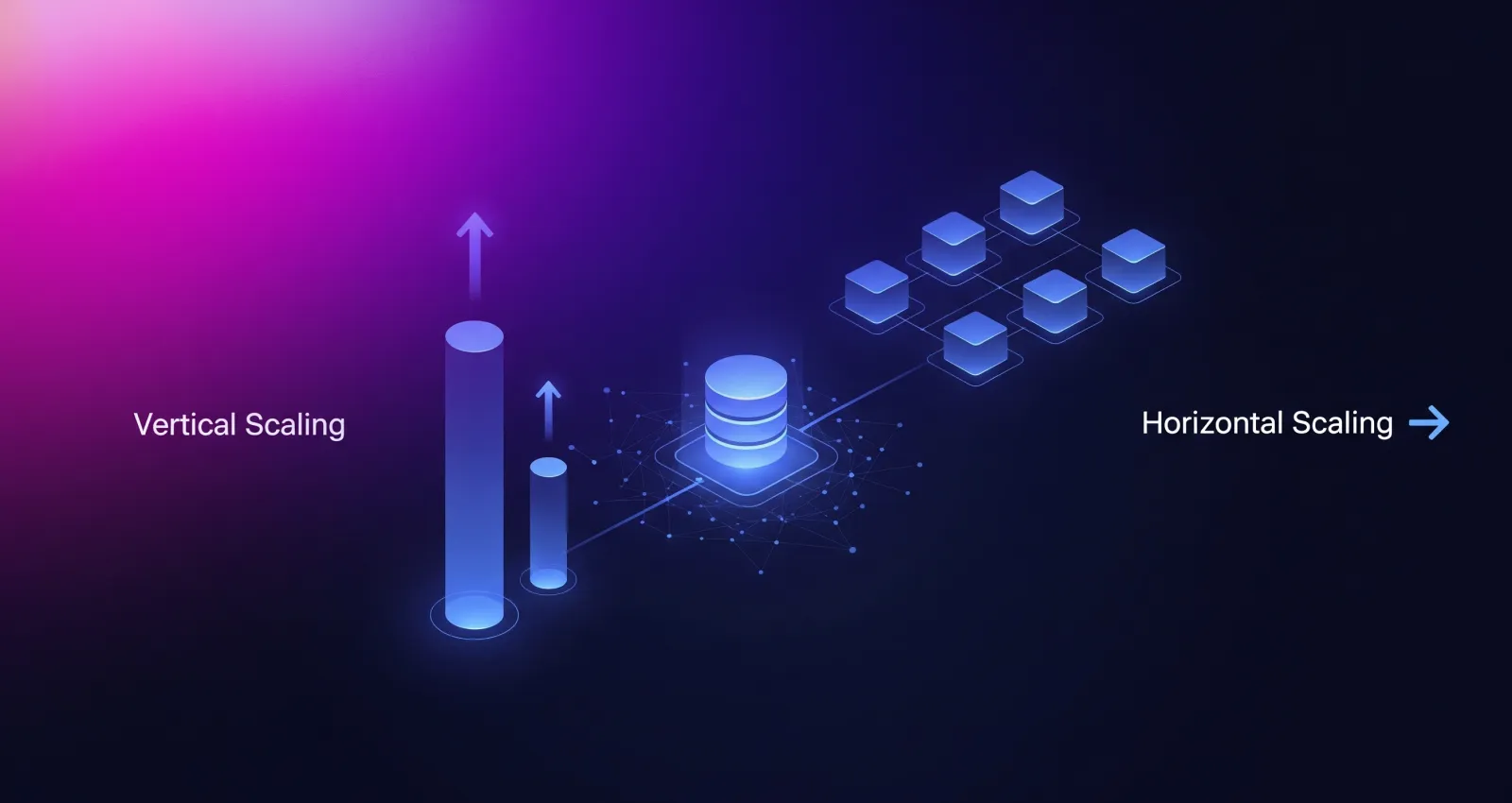
- Independent scaling for reads & writes
- High performance for read-heavy systems
- Cleaner domain logic
- Flexible database choices
- Ideal for microservices architecture
Challenges & Trade-offs
| Challenge | Impact |
|---|---|
| Complexity | More services, more infra |
| Eventual consistency | Data lag issues |
| Debugging | Harder to trace flows |
| Overhead | More dev + ops effort |
When to Use CQRS
✅ Good Fit
- High read traffic systems
- Complex business logic
- Microservices / event-driven systems
- Need for independent scaling
❌ Avoid When
- Simple CRUD apps
- Small projects
- Early-stage MVPs
CQRS in E-Commerce (ShopVerse Example)
In a system like ShopVerse:
| Area | CQRS Side |
|---|---|
| Orders, Payments, Inventory | Command side |
| Order history, dashboards | Query side |
| Kafka events | Sync read models |
This allows scaling reads massively without impacting transactional workflows.
Conclusion
CQRS is a powerful pattern for building scalable and maintainable systems. By separating reads and writes, it enables better performance and cleaner architecture — but introduces complexity.
Used wisely, CQRS unlocks scale. Used blindly, it creates unnecessary complexity.
Written by
Kirtesh Admute
Full-stack engineer and digital architect — building scalable, production-grade systems with real-world impact.
&w=3840&q=75)